AI has gifted nuclear a borrowed story, and that should worry the sector
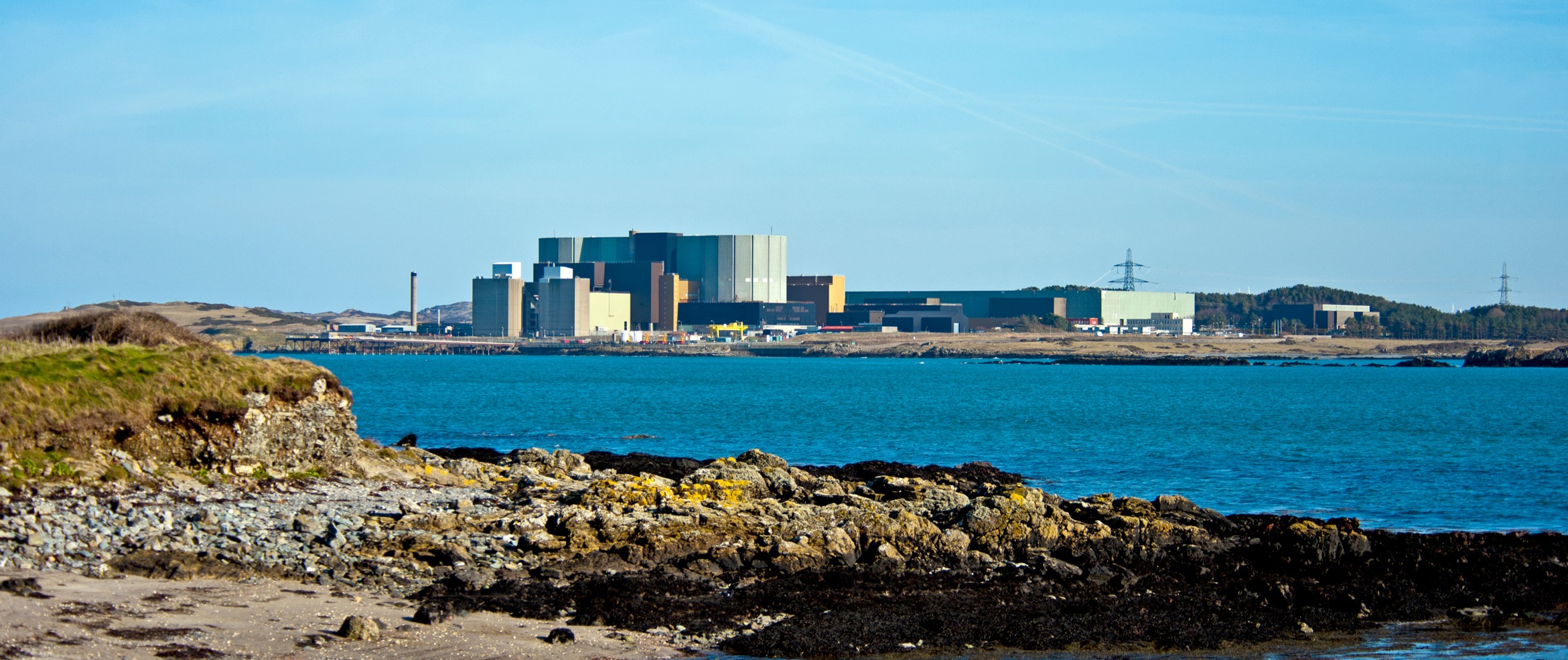
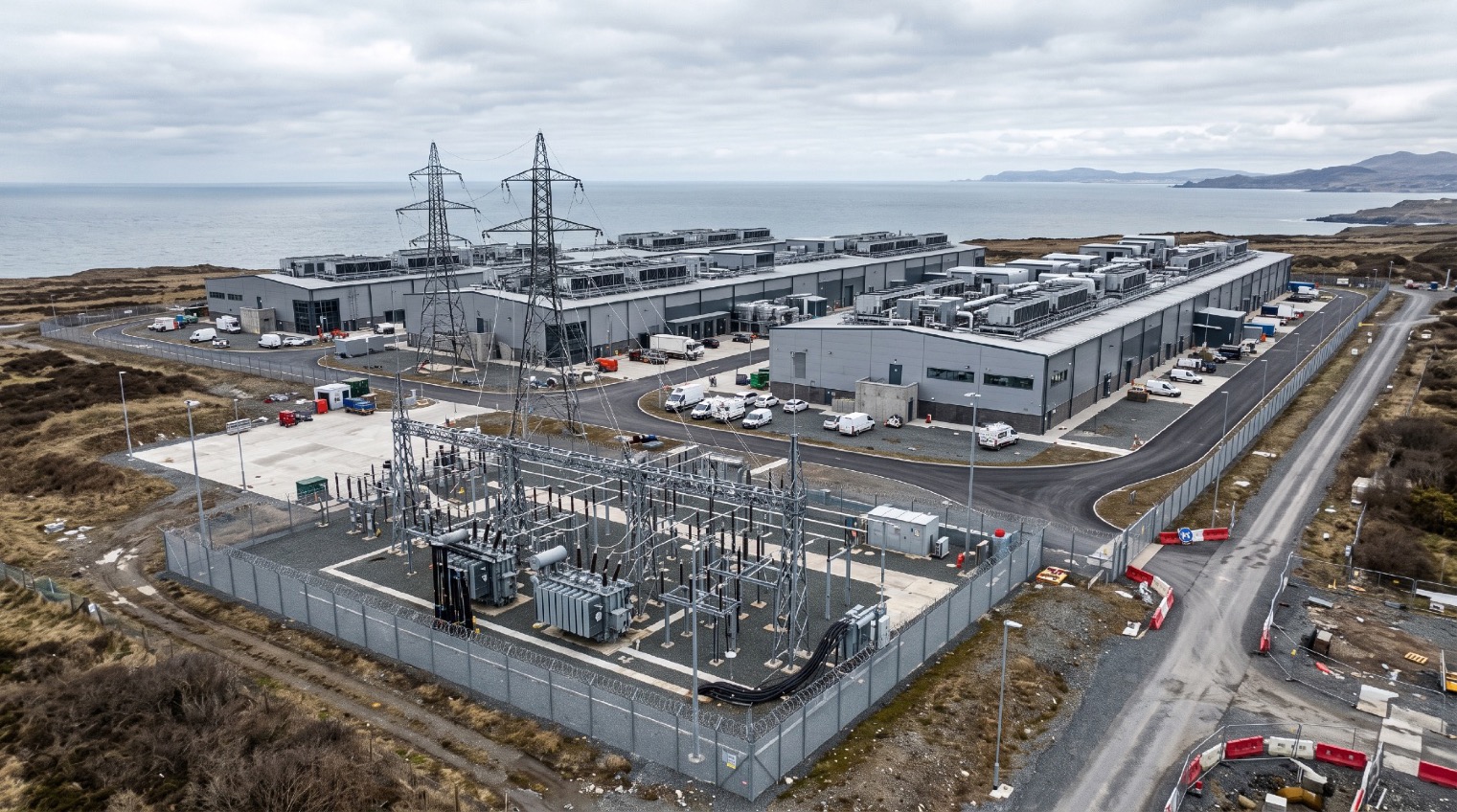
Two futures are being built a few miles apart on Anglesey. At Prosperity Parc, developer Stena Line's £1bn data centre campus sits at the heart of the North Wales AI Growth Zone, designated last November. At Wylfa, Great British Energy Nuclear (GBE-N) is preparing the ground for Rolls-Royce SMR's first three small modular reactors.
The assumption almost everyone makes is that one will power the other but read the procurement and that doesn't really hold. The early works package GBE-N has taken to market, worth up to £1.1bn, covers site clearance, drainage, haul roads and earthworks, on an indicative timetable from June 2028 to June 2034, with an option to 2037.
That's six years of groundwork before the reactors are installed and, unfortunately, the data centre won't wait for it to come in. In short, nuclear has acquired the most powerful demand story it has had in forty years, and it's going to be late to the party.
This is what we call a borrowed story: a good news story that nuclear didn't write and cannot control the timing of. It's a story that is genuinely useful to stand next to while it lasts, but someone else decides when it ends, not the sector, and it is worth knowing now what happens when it does.
A story the sector does not control
NESO has identified around 140 data centre projects representing roughly 50GW of demand in the UK connection queue. Peak electricity use across the whole of the UK this year was about 45GW. The three reactors at Wylfa will deliver at least 1.4GW, from the middle of the next decade.
Nuclear is not the answer to AI's power problem this decade. It is an answer to a later one, and the gap between will be filled by gas, the grid, and whatever else connects quickly.
The investment figures agree. Amazon and Google spend roughly $200bn and $185bn a year on data centre capacity. Their nuclear commitments run to hundreds of millions. The Bulletin of the Atomic Scientists, reviewing the deals this summer, put the sector's share at a fraction of one per cent of what the hyperscalers spend. The enthusiasm is real, but the capital hasn't followed it yet.
That is worth planning for now. Much of the political urgency behind the golden age rests on an assumption about AI demand that nuclear cannot satisfy on this timescale. Borrowed stories get recalled, and if the AI capital cycle cools, that urgency thins at precisely the moment the sector needs public patience for a six-year groundworks programme on Anglesey.
The case the sector could make for itself
The encouraging thing is that nuclear's own argument is stronger than the borrowed one, and there is a real opportunity to make it more loudly.
UK industry now pays more for electricity than any other International Energy Agency country, a quarter more than Germany and over 60 per cent more than France. Output of basic iron and steel is down 37 per cent since the start of 2021. Industrial electricity use has fallen in four of the last five years and sits at its lowest level since 1983.
That is the case worth leading with. Not that nuclear will power the AI boom, which it will not do in time, but that it is the only technology that fixes the price and security problem hollowing out UK manufacturing. It is the argument behind the 550 turbine jobs at Siemens Energy's Newcastle plant, the first large steam turbines made here in over twenty years. It does not depend on anyone else's spending plans.
Building a case that lasts
Building the sector's own case takes sustained work, which is why the AI spotlight is tempting to lean on in the meantime. The government's regulatory taskforce, chaired by John Fingleton and reporting last November, found the UK to be the most expensive place in the world to build nuclear projects, and set out a reform programme in response, a challenge the sector is already alive to rather than a verdict to be defensive about. But it does mean the case for patience has to be made in the sector's own voice, not borrowed from someone else's momentum.
The same applies to reindustrialisation. Ministers have set a target of 70 per cent British content, and the Newcastle order is real progress, with further sourcing decisions still to be resolved as the programme matures. The jobs case is genuine, and more durable told plainly than left for someone else to fill in later.
When the AI narrative recedes, what remains is a sector asking for sustained public and political support on its own long timetable. The moment to build a case that stands on its own is while attention is already high.
The sector holds a strong hand: a mandate, signed contracts, a supply chain starting to form, and now a story on loan as well. The first three are worth investing in directly, and the fourth is worth using while it lasts. Whoever starts that conversation now, while the spotlight is on nuclear, will be the one still being heard when it moves elsewhere.