The UK’s new nuclear golden age is real, the belief isn’t
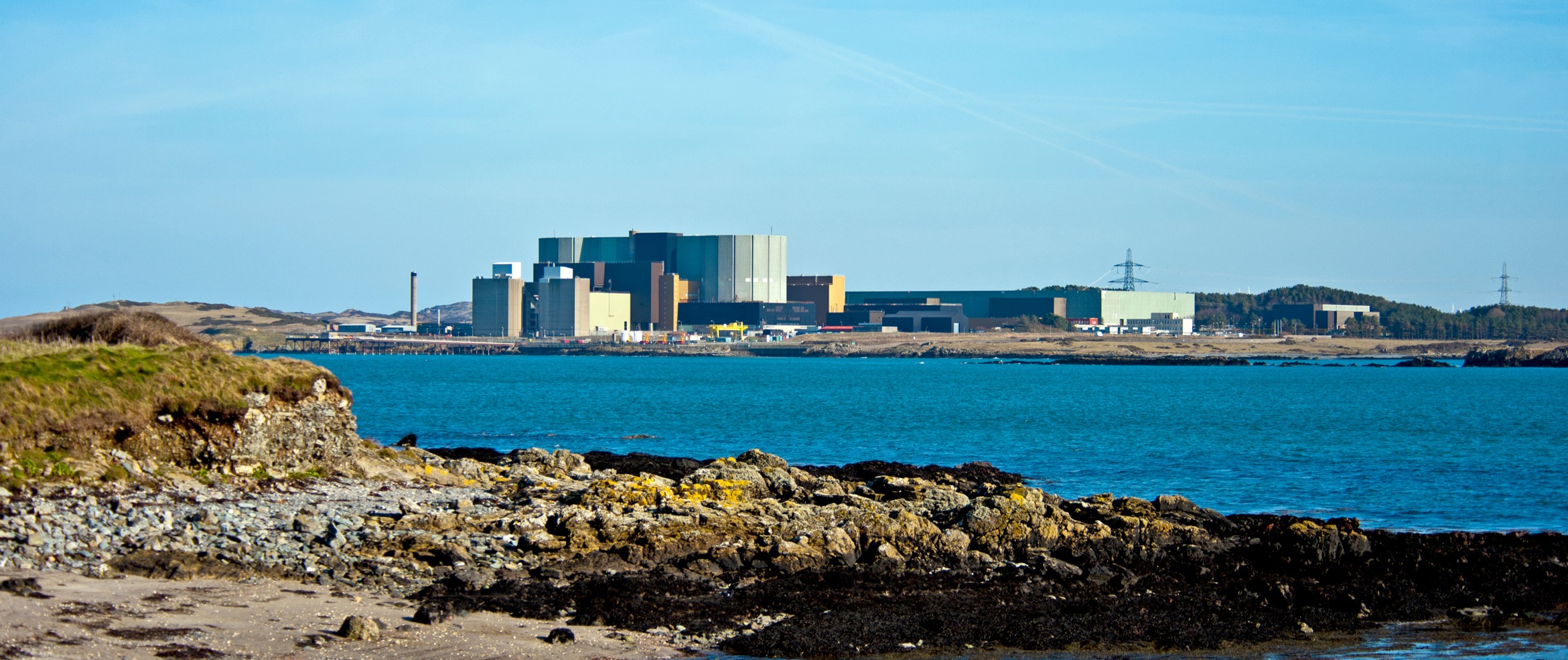
This spring gave nuclear more good news than most industries get in a decade. Rolls-Royce SMR signed the contract to build the UK's first small modular reactors at Wylfa, backed by up to £599 million from the National Wealth Fund.
In Newcastle, Siemens Energy confirmed it will build the turbines for those reactors, protecting more than 550 jobs at a site that once built the steam turbine for the world's first commercial nuclear power plant. Ministers now call all of this a golden age, and for once the label understates the case.
None of this needs restating here. It is well covered, and, on the numbers, well supported: polling by YouGov for the Nuclear Industry Association this year found 53 per cent of the public want to see new nuclear power stations built, against just 22 per cent who do not.
A gap that opens closer to home
That national majority is real, but it is not the number that decides whether Wylfa or Sizewell C finish on schedule. Asked the same question about a reactor in their own area rather than the country as a whole, YouGov found support falling and opposition climbing toward three in ten, with a further fifth undecided.
The golden age is a national story, won with a general audience that mostly never has to live next to a reactor or a construction convoy. Delivery is a local one, decided by the much smaller set of communities, councillors, and planning inspectors who do, and the gap between those two numbers is where every remaining fight over nuclear in the UK is now actually being fought.
Sizewell C shows what that fight looks like once the policy question is settled. Development consent has stood since 2022, survived a Court of Appeal challenge, and had the Chancellor's public backing this spring.
None of that stopped Together Against Sizewell C from filing a fresh judicial review this year, this time over the project's coastal flood defences, the latest in a run of legal challenges that has shadowed the scheme for four years.
Campaigners are not trying to reopen a national debate they know they lost. Rather, they are looking for the next procedural point that adds months to a construction programme built on tight financing and a tighter timetable. Coverage of the golden age treats the argument as settled because the headlines are national. The risk to delivery lives at the site, not in the polling.
An old argument, a new audience
There is a second version of the same gap, and it does not sit in a courtroom. Ask a mainstream AI assistant a pointed question about nuclear waste and, as more than one frustrated advocate has documented in detail online, it will hedge toward the accidents rather than the safety record, and resist being argued out of it.
These tools are quietly becoming a first stop for exactly the belief judgements this piece is about, safety, cost, and whether a specific project is worth the disruption.
This is what happens when a question the sector mostly declined to argue in public for two decades gets answered by a system trained on whichever version of that argument was actually made, largely by critics who did not stay quiet.
As more people put safety and value questions to a chatbot rather than a newspaper, that inherited scepticism becomes the industry's default answer, whether or not it reflects where regulators, insurers, and public opinion have since moved.
This half of the belief gap is genuinely new, and it is measurable in a way the planning fights are not.
A firm can audit what the major assistants currently say about the sector, a specific technology, or its own record, set that against the evidence, and correct it with the same discipline it would bring to a hostile broadcast interview. Almost nobody in the sector has started.
The Newcastle order and the government's target of 70 per cent British content across the SMR fleet give the supply chain a genuine jobs and reindustrialisation story, one most suppliers are currently leaving to government press releases rather than telling in their own voice.
That reads less as a case for another article than as a reason to approach that audience differently. A factory floor with 550 protected jobs already believes the golden age is real. That belief is an asset most of the supply chain has not yet built a case around.
None of this argues against the golden age narrative. It argues that the framing was won in Westminster and in the national polling and now has to be defended somewhere else: in front of the next judicial review, and in front of the next AI-generated answer to a straightforward question.
Both are places belief can be measured before it turns into a headline, and both sit closer to an operator's or developer's control than the news cycle that produced this spring's good news.
If you are thinking about what the courts, the communities, and the AI machines nearest to your project currently believe, we would be happy to discuss how to measure it and start closing the gap.
Get in touch at info@wearespqr.com