From Promise to Proximity: The Public Relevance Challenge for Britain's New Nuclear Age
Why the government’s SMR breakthrough on June 10 is only the beginning of a far more complex battle for hearts, minds, and local consent.
Rolls-Royce SMR has been selected as the preferred bidder to build the country's first small modular reactors, backed by over £2.5 billion in government funding and the promise of powering 3 million homes. After years of dithering and false starts, Britain finally has a nuclear technology champion and a clear pathway to deploying revolutionary small reactors by the mid-2030s.
The announcement marks a watershed moment for British nuclear power. Yet, as momentous as it is, this announcement represents the easy part of the SMR journey. The real challenge begins now: convincing communities across Britain that having a nuclear reactor on their doorstep is not just acceptable, but desirable.
The statistics paint an encouraging picture at the national level. Public support for nuclear energy has surged to 44% - the highest level in years, with opposition plummeting to just 22%. But abstract approval for nuclear power as a concept bears little resemblance to the visceral response of being told that a reactor will be built in your postcode. The government must urgently recognise that today's triumph will mean nothing if it cannot successfully mobilise public opinion at the local level, transforming this national support into community-level acceptance that has historically eluded nuclear projects.
The Public Relevance Challenge
The uncomfortable truth is that while Britons increasingly accept nuclear power in principle, the "Not In My Back Yard" phenomenon remains one of the most formidable obstacles to deployment. SMRs may be smaller than traditional nuclear plants, but they will still trigger the same primal anxieties about radiation, accidents, and property values that have plagued the nuclear industry for decades.
The challenges facing SMRs extend beyond mere technical hurdles to encompass regulatory approval, public acceptance, and nuclear waste management. Each of these represents a potential chokepoint where local opposition can crystallise into project-killing resistance.
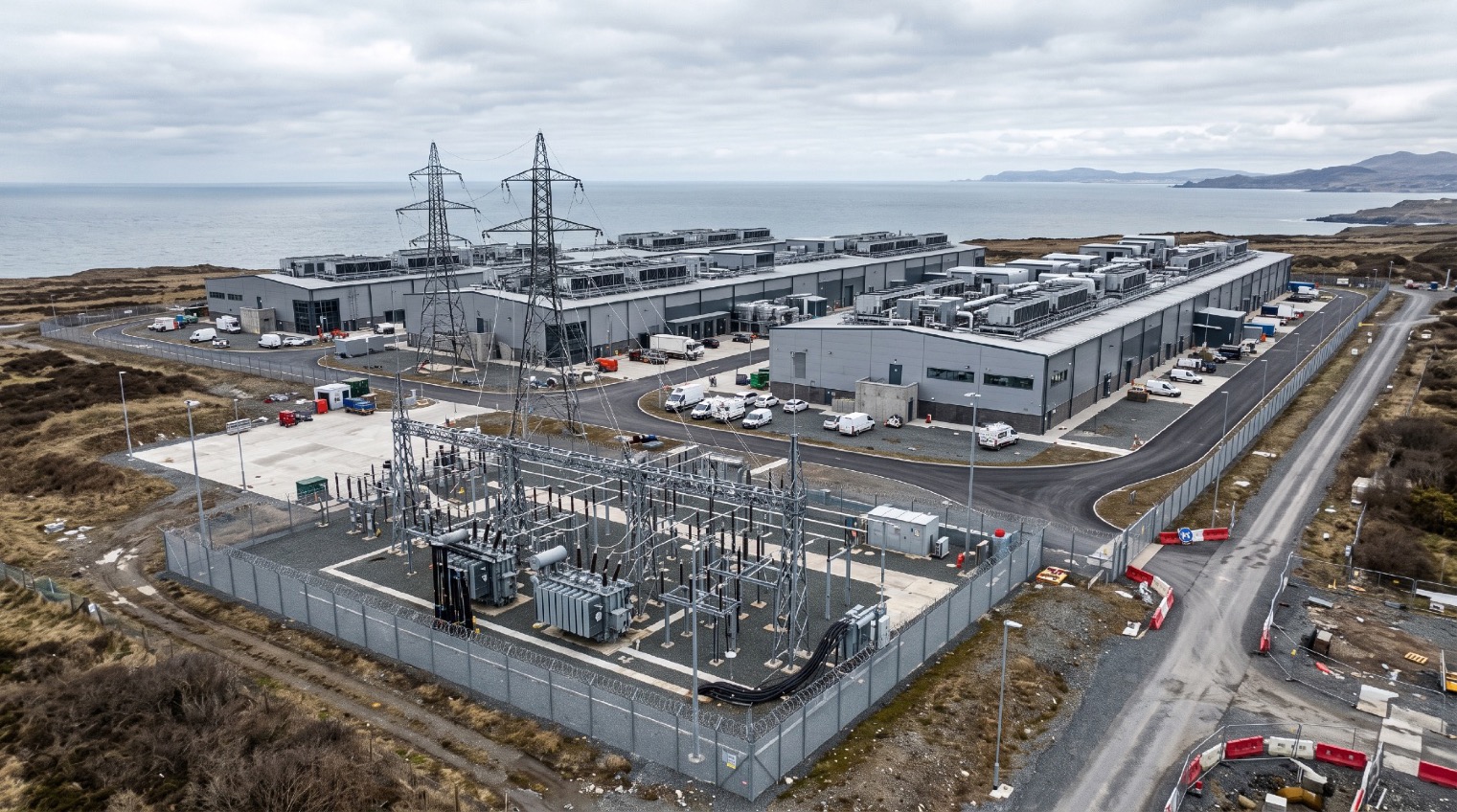
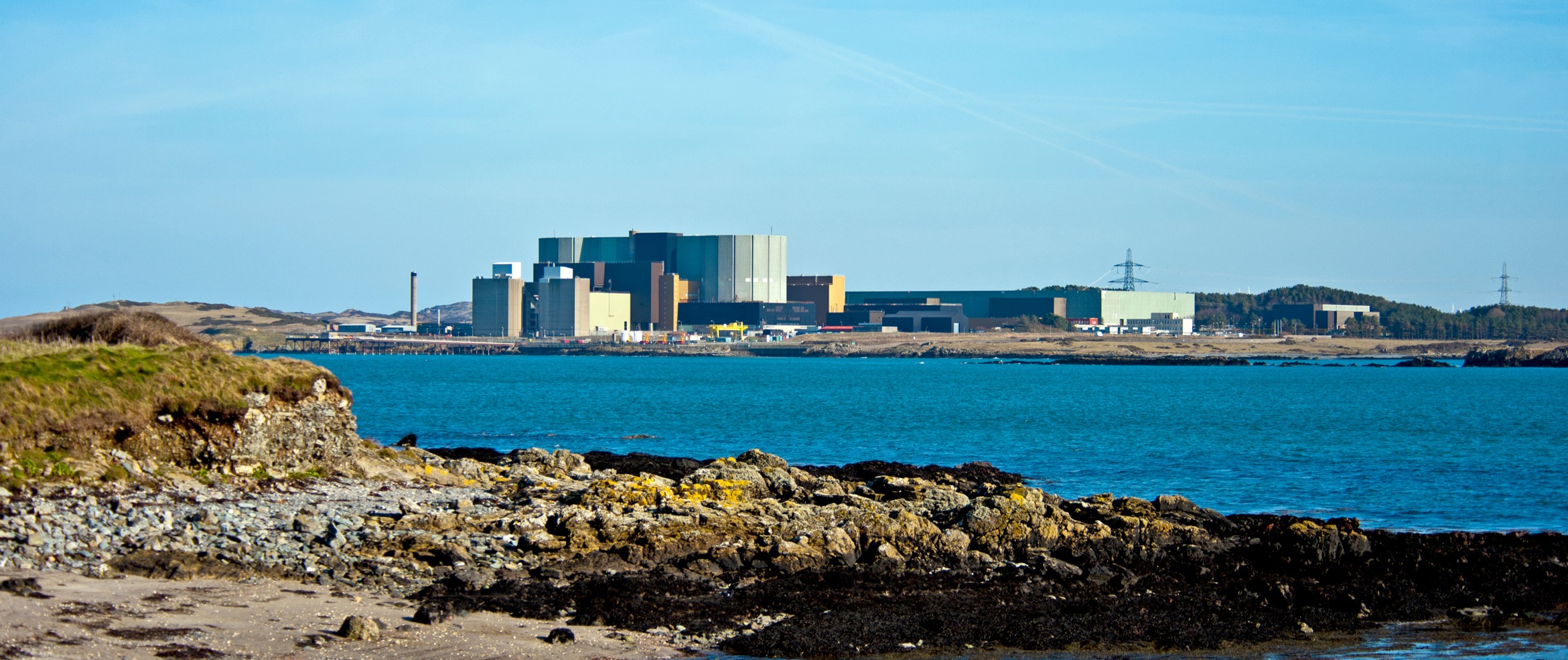
The government's plan to deploy multiple SMR units across potential sites including Wylfa, Oldbury, Trawsfynydd, and Sellafield may seem sensible from a strategic perspective, but each location will become a battleground for public opinion. Unlike large nuclear plants that can be built on remote coastal sites with minimal local populations, SMRs are designed for more flexible deployment - including locations closer to population centres. This proximity advantage for grid connection becomes a public acceptance disadvantage unless the government develops sophisticated strategies for establishing public relevance while mobilising the power of public opinion that turn geographic closeness into community ownership and pride.
The Communication Imperative
The government must fundamentally reimagine how it approaches community engagement for nuclear projects, mobilising the power of public opinion as a strategic asset rather than treating it as an obstacle to overcome. The key lies in establishing public relevance by demonstrating SMRs' direct impact on daily life, making the technology publicly relevant while mobilising the power of public opinion through meaningful connections between nuclear infrastructure and community benefits.
Traditional nuclear communication has failed because it speaks in abstractions about national energy security and climate goals while ignoring the immediate concerns of local residents. The government must develop narratives that make SMRs personally meaningful to communities, connecting global imperatives to local realities in ways that establish genuine public relevance.
This requires moving beyond technical specifications to address fundamental questions about what SMR deployment means for community identity, local economic prospects, and regional development. The communication strategy must establish public relevance by showing how hosting SMR infrastructure positions communities as leaders in Britain's industrial future rather than passive recipients of national policy decisions.
Addressing Safety Through Public Relevance
One of the most persistent sources of public anxiety around nuclear power concerns radioactive waste management and safety risks. The government cannot continue to treat these concerns as irrational fears to be dismissed with technical reassurances. Instead, it must focus on creating public relevance while mobilising public opinion through accessible, community-specific communication.
Evidence indicates that the models contemplated for UK deployment through Great British Nuclear's SMR competition were likely to result in a greater amount of waste for storage and reprocessing. Rather than downplaying this reality, the government should use it as an opportunity to demonstrate leadership in waste management innovation.
On safety, the government must abandon the traditional approach of citing statistics about nuclear being the safest form of energy generation. While factually correct, statistical messaging fails to address the emotional reality of nuclear anxiety. Instead, the communication strategy should focus on the specific safety advantages of SMRs: their smaller size, passive safety systems, and factory-built quality assurance that eliminates many construction risks associated with traditional nuclear plants. Establishing public relevance requires acknowledging fears rather than dismissing them, then mobilising the power of public opinion by making SMR safety publicly relevant through concrete, understandable explanations of how the technology directly addresses community-specific safety concerns.
The Regulatory Transparency Challenge
Rolls-Royce SMR has successfully completed Step 2 of the UK's Generic Design Assessment process and progressed to the third and final phase. This regulatory progress is essential for technical approval, but the government must ensure that the GDA process becomes a vehicle for building public confidence rather than remaining an opaque technocratic exercise.
The final phase of the GDA should include extensive public consultation that goes beyond traditional regulatory requirements and serves as a vehicle for establishing public relevance while mobilising public opinion through transparency and engagement. Communities should be walked through the safety assessment process in accessible language, with independent experts available to answer questions and address concerns. The regulators should publish regular, comprehensible updates on their findings, creating transparency that builds trust rather than suspicion and helps mobilise the power of public opinion by demonstrating that rigorous oversight is protecting community interests.
The Economic Narrative
While the global SMR market is projected to reach up to nearly £500 billion by 2050, the government has struggled to establish public relevance for this massive economic opportunity in ways that mobilise public opinion at the local level. The communication strategy should focus on how SMR deployment transforms Britain from an energy importer into an energy technology exporter, making global industrial leadership publicly relevant and locally meaningful.
The economic case should emphasise energy security benefits in terms that resonate with community development rather than abstract grid stability discussions. The government should show how SMRs protect communities from the geopolitical energy price volatility that has plagued British households in recent years, making energy security publicly relevant by connecting it to local economic resilience and mobilising public opinion through demonstrated regional advantage.
The manufacturing strategy is particularly crucial for establishing public relevance and mobilising the power of public opinion, and the government should ensure that SMR manufacturing capabilities create visible connections to local economic development. When communities can understand how their region contributes to building the reactors which will power Britain's future, abstract nuclear policy becomes publicly relevant for local communities, generating economic pride and technological leadership.
The Climate Leadership Narrative
One of the most powerful tools for establishing public relevance and mobilising public opinion for building SMR acceptance is positioning host communities as climate leaders rather than nuclear acceptors. The government should establish carbon accounting systems that show exactly how much emissions reduction each SMR delivers, and celebrate host communities as pioneers in the fight against climate change. This approach to creating public relevance while mobilising the power of public opinion transforms the narrative from "accepting nuclear infrastructure" to "leading the climate solution," making nuclear technology publicly relevant to global environmental goals.
Young people, who are often most concerned about climate change but most sceptical of nuclear power, should be specifically engaged through educational programmes that demonstrate how SMRs accelerate decarbonisation. Educational partnerships and youth engagement programmes can transform the next generation from sceptics into advocates, creating a powerful foundation for mobilising public opinion across age groups and ensuring long-term community support.
The Infrastructure Integration Opportunity
SMRs offer unique opportunities for infrastructure integration that the government has yet to fully exploit in its public engagement strategy. Each SMR can produce 170 tonnes of hydrogen or 280 tonnes of net-zero synthetic fuel per day, and can provide heating or cooling for cities the size of Sheffield.
These capabilities should be marketed as transformative infrastructure upgrades rather than energy projects, establishing public relevance for SMRs in daily community life. Communities should understand that hosting an SMR means access to abundant clean heating, local hydrogen production for transport, and the potential for energy-intensive industries that create additional development opportunities. This approach makes nuclear technology publicly relevant to community needs while mobilising public opinion through visible, practical benefits that connect to daily life and regional economic prospects.
The Democratic Accountability Imperative
Perhaps most importantly, the government must ensure that SMR deployment is subject to genuine democratic accountability. All value-for-money assessments, site selection criteria, and community impact evaluations should be published and subject to parliamentary scrutiny. Communities deserve to understand not just what is being built, but why their area was selected and how decisions are being made.
The government should resist the temptation to bypass local planning processes in favour of speed, recognising that lasting public acceptance requires democratic legitimacy and that mobilising public opinion works best when communities feel genuinely heard and empowered in decision-making processes.
The Implementation Timeline
The government has committed to connecting SMR projects to the grid in the mid-2030s, but the communication and engagement process must begin immediately. Every month of delay in establishing public relevance increases the risk of opposition crystallising into intractable resistance.
The government should develop comprehensive communication strategies for each potential host area within six months, focusing on mobilising public opinion through sustained narrative-building that operates for years before any planning applications are submitted and transforms potential opponents into informed supporters through genuine understanding rather than superficial messaging.
The Path Forward: Mobilise the Power of Public Opinion
The announcement represents a triumph of political will over decades of nuclear paralysis. But the next phase of the SMR journey will test the government's commitment to democratic engagement and community partnership. Success will require abandoning the top-down, technocratic approach that has characterised nuclear policy for decades in favour of genuine collaboration with the communities that will host Britain's nuclear future. The key lies in establishing public relevance while mobilising public opinion not through propaganda or persuasion, but through meaningful engagement that makes SMRs publicly relevant by connecting global climate goals to local community development.
The stakes could not be higher. Failure to secure public acceptance will not merely delay SMR deployment - it will discredit the entire small nuclear programme and leave Britain dependent on imported energy for another generation. Success, however, will position Britain as the global leader in nuclear innovation while delivering the clean, secure, affordable energy that our climate commitments demand.
The government has the technology, the funding, and the regulatory pathway. Now it must prove it has the communication skill to establish public relevance and mobilise the power of public opinion across British communities. The nuclear renaissance begins not in Whitehall or corporate boardrooms, but in the public conversation about Britain's energy future. That is where the real battle for Britain's energy independence will be won or lost.
The public is ready for nuclear power. The question is whether the government is ready to make nuclear power publicly relevant.