If defence doesn't explain itself, someone else will
European defence is scaling at a pace not seen in generations. NATO's European members and Canada increased defence spending by nearly 20 per cent in 2025, and at The Hague every ally committed to reaching 5 per cent of GDP by 2035.
Across the EU, national defence budgets have risen from €218 billion in 2021 to an expected €381 billion in 2025. Order books at BAE Systems, Babcock, Rolls-Royce, QinetiQ, Leonardo and Chemring are at their fullest in decades, and the mid-tier suppliers beneath them are hiring, tooling up and expanding to match.
Money on this scale changes the terms on which a company exists in public. Defence spending is taxpayer spending, and every additional billion is a billion that voters are asked to fund, journalists are paid to follow and parliaments are obliged to examine. Audit offices, select committees, campaign groups and investigative reporters are all turning towards the sector at once, for the simple reason that attention follows money. The industry is more funded, more visible and more scrutinised than at any point since the Cold War.
That combination is not primarily an industrial challenge. It is a communications one, and the sector's own history has left it unusually ill-prepared for it.
A sector built to speak quietly
There have always been good reasons for defence companies to say little in public. Their customer is government, not the consumer. Much of what they build is classified. Their commercial conversations happen inside ministries, at trade shows and in the pages of specialist publications. For decades, quietness was not a failing but a rational adaptation to the market. The communications capability the sector built reflects this: fluent, technical and precise when addressing officials, committees and the trade press, and largely absent everywhere else.
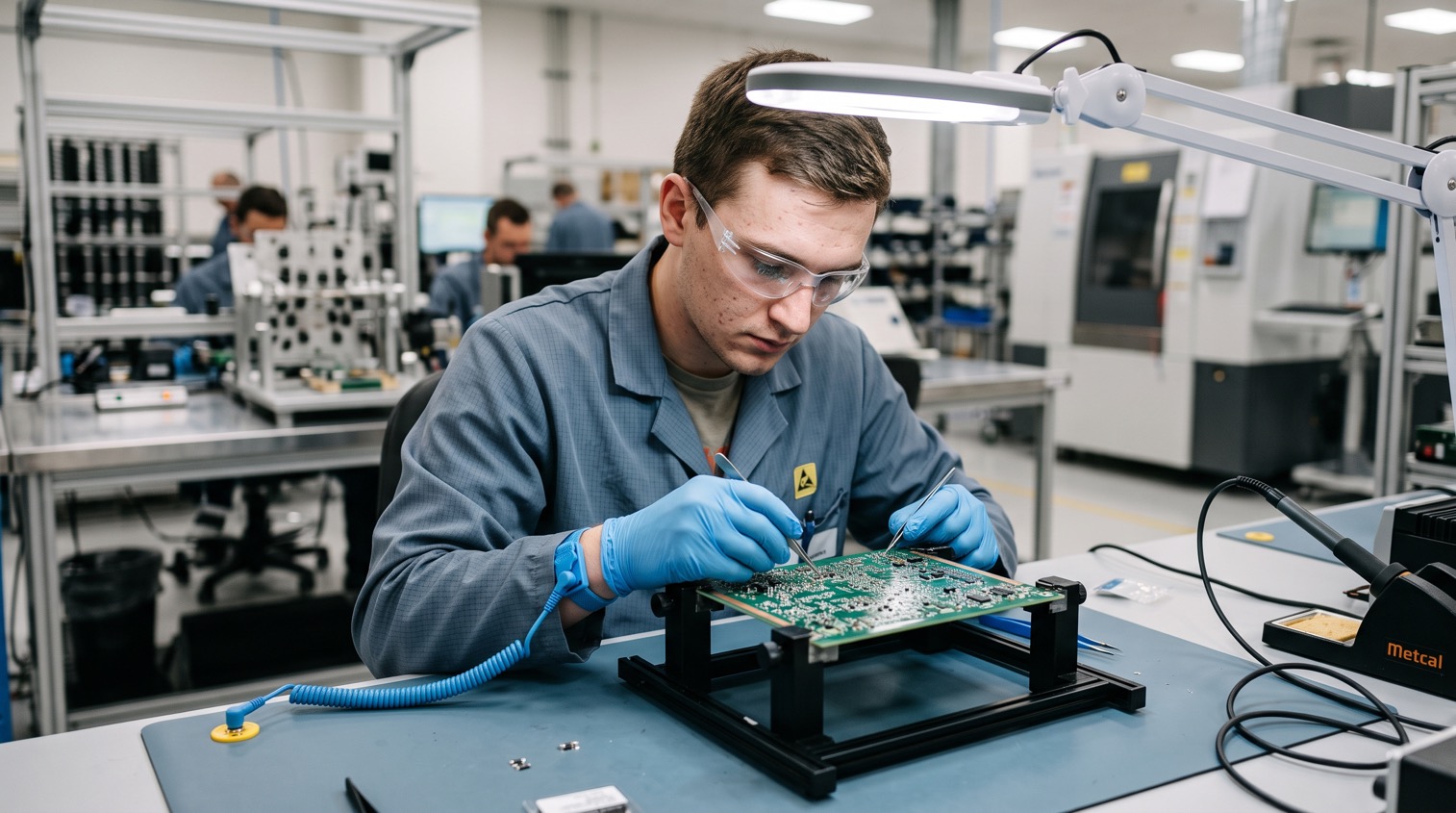
The consequence is a wide gap between what these companies do and what the public believes they do. The workforce reality of UK defence is 164,000 people, most of them engineers, technicians, apprentices, software developers and project managers, working on everything from submarine reactors to cyber resilience. The public picture, by contrast, is assembled from war films, conflict coverage and the occasional procurement controversy. Where an industry does not explain itself, the explanation gets written by others.
Rearmament is publicly financed and politically contested. Ipsos polling in May 2026 found that only 37 per cent of British adults support increased defence spending if it means higher taxes or cuts to services, and 50 per cent actively oppose it if it means a rise in personal taxation. The budgets now being committed rest on public consent that is thinner than the headline numbers suggest.
Into that environment arrives a predictable sequence of stories. Each new contract, facility and results season will attach a large number to a familiar corporate name, and each will invite questions the sector has rarely had to answer in public: what the money buys, who benefits and why it matters. Where no settled understanding exists, those questions get answered by whoever speaks first. The only durable counterweight is explanation that arrives before the scrutiny does. A company that introduces itself to the public in the middle of a controversy has already lost the exchange.
There is better news. European attitudes to security have shifted markedly since 2022, and the same Ipsos research found that framing defence investment around jobs and apprenticeships is the one approach that reliably generates support. Audiences are more receptive to hearing from this sector than they have been in a generation. Receptive, however, is not the same as persuaded, and windows of this kind do not stay open. The attitudes formed over the next two or three years, while the spending story is still new, will be the attitudes the industry lives with for the next twenty.
Reputation is now an operational input
This is not only about press coverage. The Strategic Defence Review describes a worsening workforce crisis across the armed forces and industry alike, and nearly half of defence employers report shortages of engineers. The candidates the sector most needs are the same younger, purpose-driven engineers who consistently describe defence as an industry they do not understand, competing offers from technology firms in hand. Recruitment campaigns cannot fix what reputation has left undone. The same logic applies to planning consent for new facilities, to investor sentiment and to the political durability of the contracts themselves.
The answer is not louder branded advertising, and it is emphatically not entering the argument about whether rearmament is right. It is patient explanation: of what the companies actually make, who works in them, and what the money produces. It means independent voices and third-party evidence, which carry a credibility that corporate channels cannot manufacture. It means sustained communication rather than episodic campaigns, and success measured in what audiences believe rather than in coverage secured.
The money has arrived, and the attention has arrived with it. The open question is whether the explanation arrives in time.
If you work in the defence, security and procurement industry, we can help.
Get in touch at info@wearespqr.com