EUDR: While the deadline is locked in, the narrative isn't
Producer nations across cocoa, coffee, timber and rubber have spent two years trying to change the EU Deforestation Regulation. They failed. Now they have six months to win the argument they should have been making all along.
On 30 December 2026, the EU Deforestation Regulation takes legal effect for large and medium operators. The political fight to delay or reshape it is over. Two postponements, a simplification review, and sustained lobbying from producer governments across four continents produced marginal adjustments to the administrative detail and left the fundamental architecture intact. The deadline is fixed. The country-risk classifications are set. The due-diligence requirements are not going away.
What is still open, and what the industries most exposed by this regulation have largely failed to recognise, is the communications contest. And they are losing it by default.
In cocoa, the public narrative belongs to Ferrero and Barry Callebaut. In timber, it is shaped by the Forest Stewardship Council. In coffee, the major European roasters set the terms of the debate. Rubber barely registers in the publications that matter to European policymakers at all. Across every commodity covered by the regulation, the voices with the most to lose from its bluntest application are the ones least present in the conversation about how it works in practice.
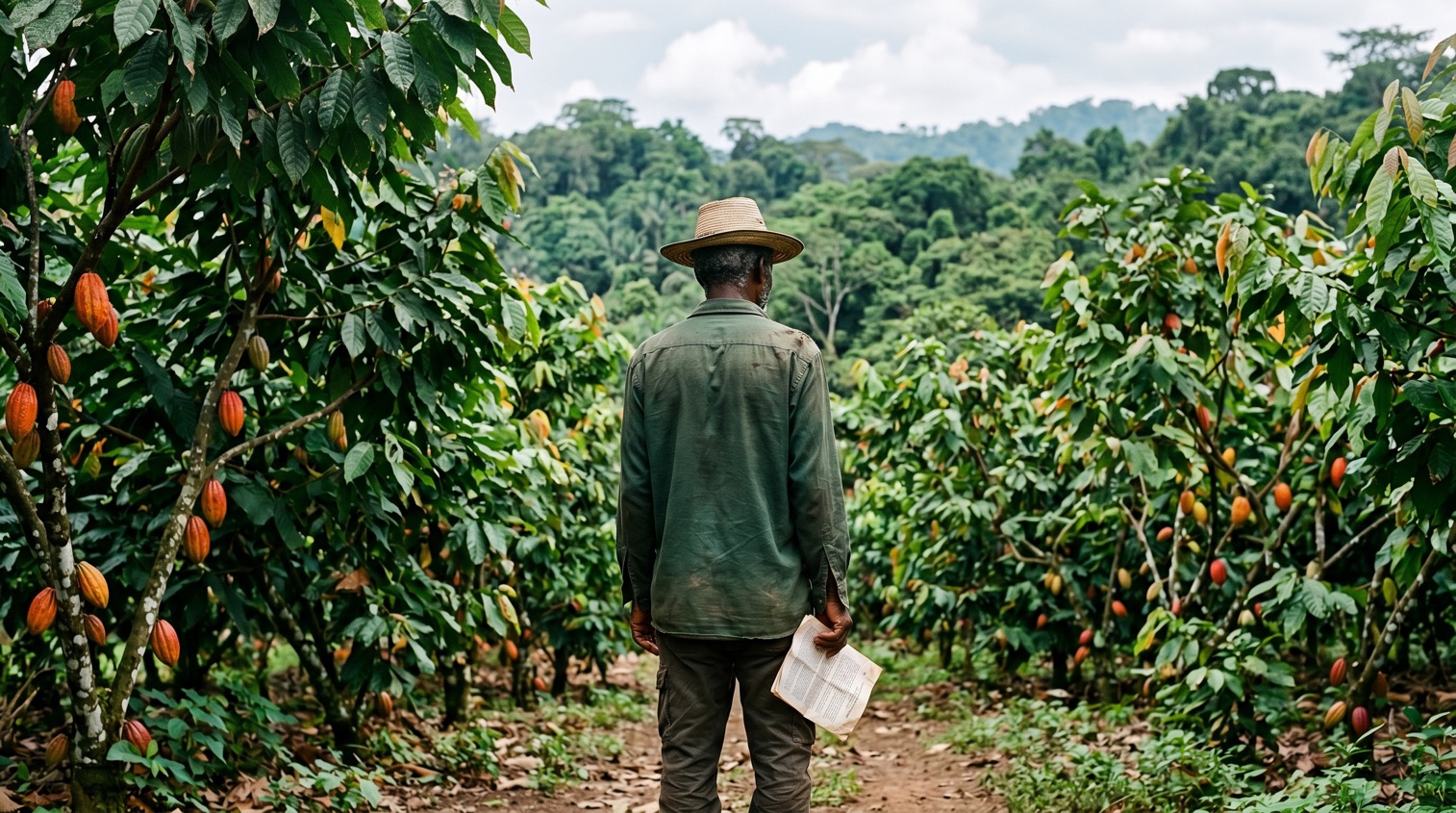
That absence has consequences. The regulation requires plot-level geolocation data, due-diligence statements and audit-ready documentation from farming systems that were never designed to produce them. In Ghana and Ivory Coast, where smallholder farmers supply roughly two thirds of the world's cocoa from plots of two to five hectares, compliance capacity correlates almost perfectly with proximity to the large trading houses that have already built their own traceability infrastructure. The farmers furthest from that infrastructure are being quietly priced out of European supply chains. Not because they have cleared forest. Because they cannot generate the paperwork to prove they have not.
The same dynamic is running through rubber in Thailand and Indonesia, through coffee in Ethiopia and Rwanda, through timber certification schemes across Southeast Asia and Central Africa that spent years building FSC and national legal assurance frameworks, only to find that EUDR compliance requires a separate data architecture that prior certification does not satisfy. In each case, the people absorbing the cost are the ones who had least say in designing the system.
This is a story that has not been told. Not in the Financial Times. Not in Politico Europe. Not in the trade press that shapes how procurement directors and sustainability officers at European companies understand their obligations. The EUDR's more comprehensive compliance regime goes beyond what voluntary certification schemes like the FSC can provide, yet the independent agronomist who knows what the land in Sulawesi or Bono East actually looks like is not writing in those publications. The development economist who can quantify the market-exclusion effect on smallholder incomes is not being commissioned. The producer-country official who can explain what their national monitoring data actually shows is not being asked.
The reason is not that these people do not exist or that the evidence is unavailable. It is that the industries concerned have directed their resources at Brussels rather than at the editorial offices and policy desks where the interpretation of the regulation is still being formed. They have been fighting the wrong battle in the wrong place, and the deadline that just became immovable is the proof.
Six months is not a long time to build a communications programme from nothing. It is, however, enough time to place a coherent body of independent, evidence-based argument in front of the audiences who will determine whether EUDR is understood as a regulation that protects forests or as one that protects the compliance budgets of companies large enough to afford them. The ODI has documented in detail how the regulation risks pricing out the farmers it was designed to protect. That evidence exists. It is not reaching the right audiences. That distinction will shape procurement decisions, political scrutiny and the terms of any future revision.
The industries that understand this are the ones that will arrive in December with something the others will not: a public record of having made the case. The ones that do not will spend 2027 explaining to their governments why they lost market access they could have retained, and why the story about their supply chains is still being told by people who have never visited them.
If you work in agricultural commodities or their supply chains and this reflects the position you're in, we can help. Get in touch at info@wearespqr.com.