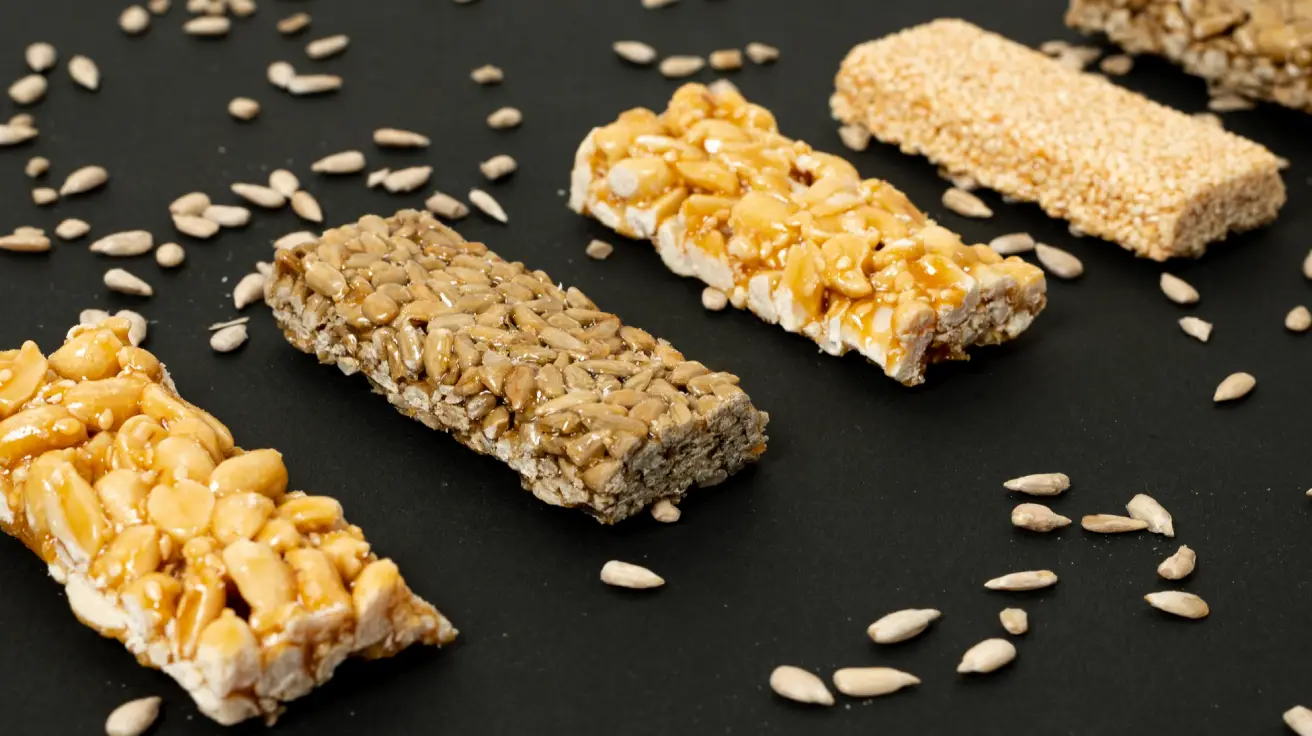
Don't Blame Joe Wicks: How a Weak Narrative Made Protein Bars an Easy UPF Target
When a celebrity fitness coach can mock up a "killer" protein bar on television and threaten a £3.5 billion industry, it's not just a debate about nutrition. It's a critical failure in comms strategy. At SPQR, we see this as a classic case of an industry losing control of its public relevance. The vital connection between a sector's value and the public's perception of it.
The recent stunt by Joe Wicks, demonising protein bars as part of the Ultra-Processed Food (UPF) panic, is a textbook example of how a narrative vacuum can be filled by fear, not facts. For the food and beverage leaders we advise, this isn't a fringe issue. It's a direct threat to brand reputation, consumer trust, and commercial viability. This article breaks down the strategic communications challenge and outlines a path to reclaiming the narrative.
The Strategic Flaw: An Unscientific Framework Creates a Narrative Weapon
The entire anti-protein bar argument hinges on the NOVA classification system, which categorizes foods by their level of processing, not their nutritional content. From a comms strategy perspective, this is a glaring vulnerability.
NOVA’s framework is so broad it lumps a vitamin-fortified, high-protein bar in the same UPF category as a sugar-laden confectionery. As experts like dietician Dr. Carrie Ruxton have noted, it absurdly groups products like infant formula and wholemeal bread with junk food.
The scientific community is already pushing back. An Appetite study found the NOVA classification explained less than 4% of overeating behaviour once nutrients were considered. The International Union of Food Science and Technology has a task force dedicated to addressing its flaws.
SPQR Analysis: When the foundational premise of an attack (NOVA) is scientifically weak, it creates an opportunity. However, the opposition has successfully weaponised its simplicity. The term UPF is potent and easy to grasp. The industry's response cannot be a scattered, defensive, and technical debate. It requires a unified, proactive strategy to reframe the conversation around nutritional value and consumer need, thereby shifting public opinion.
The Disconnect: Ignoring Consumer Reality and Punishing Innovation
The activist argument to "just eat whole foods" demonstrates a profound disconnect from modern life. A failure to maintain Public Relevance. This simplistic mantra ignores the genuine needs of specific consumer groups:
- Athletes requiring precise, portable post-workout nutrition.
- Older adults using palatable, protein-dense foods to combat muscle loss (sarcopenia).
- Busy parents and shift workers who need convenient, nutritious options over less healthy alternatives or skipping meals entirely.
These are not niche cases. They are significant segments of the population. A quality protein bar is not a "dietary villain" for them. It is a functional tool.
Furthermore, the broad-brush UPF attack penalises the very innovation that consumers demand. Manufacturers have invested heavily in cleaner labels, grass-fed whey, whole-food ingredients, and reduced sugar. The current narrative provides zero incentive for this progress. It treats a meticulously formulated bar from an innovative brand identically to a low-quality product, stifling the market leaders who are doing the right thing.
From Education to Entertainment: Why Fear is Winning the Media War
Television documentaries and social media campaigns thrive on conflict, simple villains, and shock value. The image of a "killer" protein bar is dramatic television. A rigorous meta-analysis from the European Food Safety Authority confirming the safety of additives is not.
SPQR Analysis: This is a battle of communication mediums, and right now, emotional, visual media is winning. Fear-based messaging is a powerful tool for shaping public opinion. It works by creating guilt and confusion, potentially causing consumers to disengage from healthy eating altogether. A reactive, fact-sheet-based defence will not win this fight. The industry needs a compelling, emotionally resonant comms strategy that showcases the positive role these products play in the real lives of its customers.
The Path Forward: A Proactive Strategy to Reclaim Public Relevance
The crusade against protein bars is a symptom of a larger strategic challenge. The grocery and food manufacturing industry is allowing its narrative to be dictated by activists and media personalities using a flawed framework.
A proportionate response is not to argue that protein bars should be a dietary staple, but to robustly defend their legitimate role. The fact that elite sports nutritionists and registered dieticians recommend and use these products is a powerful truth that is being drowned out.
Winning this requires moving beyond a defensive posture. It demands a proactive and sophisticated comms strategy built on:
- Challenging the Framework: Uniting to highlight the scientific flaws of the NOVA system and promoting a more nuanced, nutrient-focused conversation.
- Championing the Consumer: Telling the real-world stories of athletes, seniors, and busy families who benefit from these products.
- Celebrating Innovation: Showcasing the industry's progress in creating cleaner, more nutritious, and functional foods.
The real danger isn't the protein bar. It's a passive communications approach that allows oversimplified thinking to damage a dynamic and essential industry. It's time to stop reacting and start leading the conversation.
If you want to find out more about how SPQR has solved similar regulatory and reputational challenges for our clients in the food and beverage sector, drop us a line. We will send you our related case studies.