When an algorithm decides what counts as junk food
A government scoring tool that has not been meaningfully updated since 2004 is about to decide which breakfast products can be advertised, where they can sit on a supermarket shelf, and whether they can feature in a multibuy. The tool is technical. The consequences for the brands caught in its scope are not.
Our director of Strategic Comms, Adam Aljewicz, was published in this week’s Grocer discussing how this exact mechanism is on track to reclassify a wholegrain breakfast staple as HFSS, despite nothing having changed in the nutritional case for eating it.
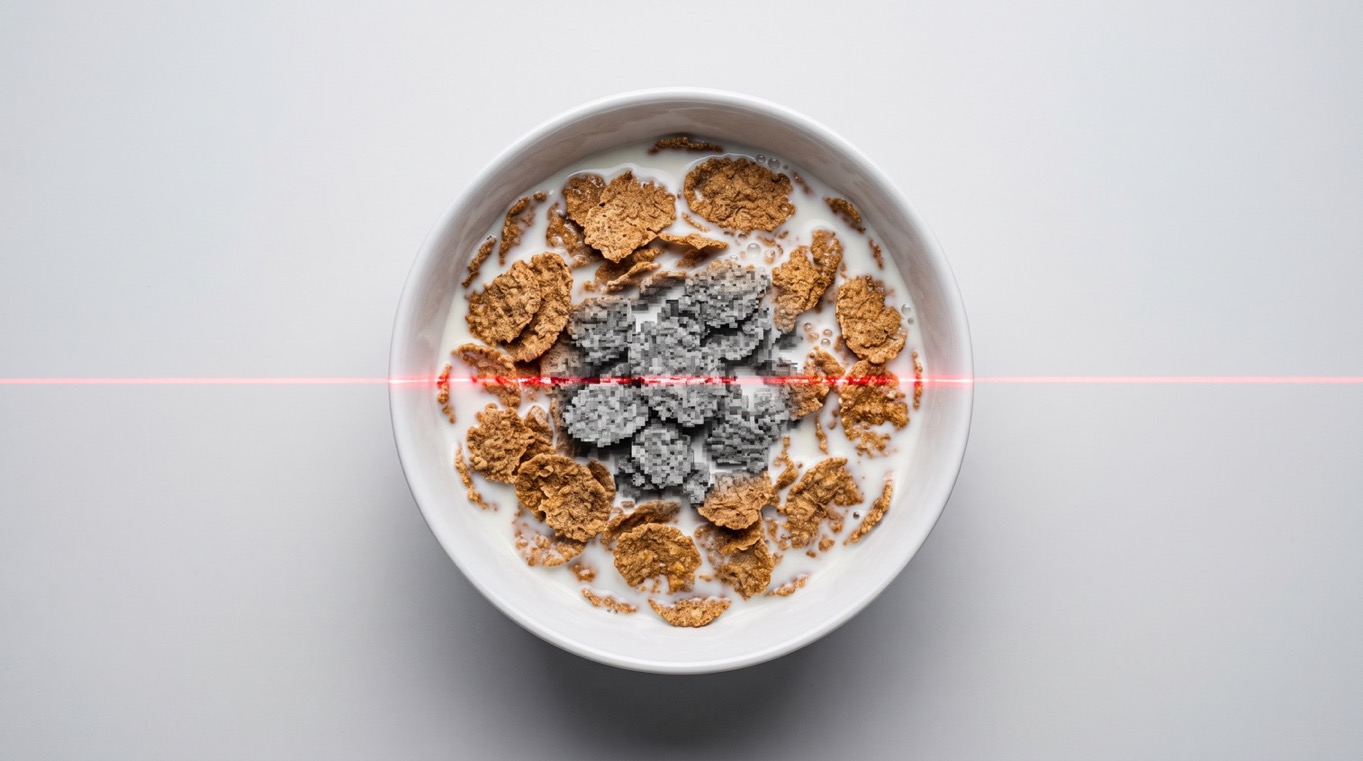
The product at the centre of the piece is Bran Flakes. Once the updated Nutrient Profile Model tightens its thresholds on free sugars, the fibre and protein that currently give the cereal most of its nutritional value stop being enough to offset the score. The cereal fails the test. The model has no mechanism for asking whether the test itself still makes sense.
The practical fallout is significant. A product reclassified as HFSS faces restrictions on where it can be displayed in store, whether it qualifies for promotional offers, and whether it can be advertised before nine in the evening. Under those rules, a bowl of Bran Flakes eaten with semi skimmed milk by someone watching their cholesterol ends up regulated in the same way as a sharing bag of cheese puffs.
That outcome sits uneasily alongside the evidence. The British Dietetic Association puts the recommended daily fibre intake at 30 grams. Most adults in Britain get closer to 18 grams, around 60 per cent of that figure. The Scientific Advisory Committee on Nutrition has linked cereal fibre and wholegrains to lower rates of cardiovascular disease, stroke, type 2 diabetes and colorectal cancer, and a University of Reading review found that millions of British adults face higher chronic disease risk simply because they cannot close that fibre gap. Breakfast cereal remains the single biggest contributor to fibre intake in the UK diet, which makes restricting its promotion an odd way to address a shortfall the government is otherwise trying to fix.
It is also worth separating Bran Flakes from the wider criticism aimed at the cereal industry, some of which is fair. John Harvey Kellogg created his original flaked cereals at the Battle Creek Sanitarium as a medical food for patients with digestive complaints. The bran content was never incidental. It was the entire rationale for the product, and the nutritional argument behind it has only become stronger since.
The underlying issue is that the Nutrient Profile Model only knows how to produce a pass or a fail. There is no setting for a product that combines genuine nutritional benefit with a modest amount of added sugar. A public consultation on the updated model is expected this year, so the thresholds described above are not yet locked in.
Tackling childhood obesity and restricting advertising for genuinely poor-quality food are reasonable aims, and nobody at SPQR would argue otherwise. The risk is in treating a two-decade old scoring system as a substitute for judgement rather than an input to it.
If you work in food production, food retail, or an associated supply chain, and you are starting to feel the pressure described in this piece, we would like to talk. Get in touch at info@wearespqr.com