The writing on the wall for fossil fuel and meat
Policymakers across Europe are moving to ban advertising for meat and fossil fuels. The UK is not watching from a safe distance.
When Amsterdam became the first capital city in the world to ban public advertising for meat, flights, gas-heating contracts, cruises and combustion-engine vehicles on 1 May, the reaction in many British boardrooms was a shrug. A Dutch city doing something Dutch. Interesting, but distant.
That shrug is a mistake. Amsterdam is not a warning sign. It is one city in a movement that has been building for years, gathering speed, and now has the attention of legislators well beyond the Netherlands.
The pattern is worth tracing. France became the first country to restrict fossil fuel advertising nationally in 2022. More than 50 cities worldwide have now banned or are actively moving to ban fossil fuel and meat advertising, including Sydney, The Hague, Florence, Edinburgh and Sheffield. Stockholm's city government has committed to a fossil fuel advertising ban this summer. Spain has a draft national bill on the table that would make it the second country after France to legislate at national level. This is a regulatory direction, not a series of isolated local decisions.
The question for any communications director or chief marketing officer at a company selling energy, cars, flights or meat is not whether this is happening. It is how quickly it reaches them.
The ground has been shifting
In the UK, the ground has been shifting for longer than most companies appear to have noticed.
In July 2025, MPs debated a proposed UK-wide ban on fossil fuel advertising and sponsorship in, the first time Parliament had considered the question. The debate was triggered by a petition signed by more than 110,000 people. Of the eleven MPs who spoke, nine argued in favour of a ban. Over 100 UK advertising organisations had already written to the government calling for one, comparing fossil fuel companies to tobacco companies and arguing that self-regulation had failed. The government said, at that point, that it had no current plans to restrict fossil fuel advertising. That answer belongs to last year.
Researchers at Oxford Net Zero noted after the debate that the UK ban proposal "aligns with growing subnational and international trends" and suggested the real question was not whether to act, but how quickly the logic could be extended across other carbon-intensive sectors. That framing, from one of the country's most cited climate research groups, reflects where the policy conversation has moved to.
The tobacco comparison keeps appearing, and it is worth taking seriously. The 2003 ban on tobacco advertising in the UK came after years of accumulating pressure: public health evidence, media coverage, NGO campaigns, international precedent and, eventually, political will. The comparison is now being made openly in Parliament, in advertising trade bodies and in the press. That is usually a sign the argument has already been won in principle, and that the legislative question is one of timing.
The wrong answer to the right question
What concerns those who watch these campaigns professionally is the degree to which opposition from affected industries has been almost silent. The arguments against these bans, where they exist, tend to focus on commercial freedom and the legal standing of regulated products.
The Dutch Advertisers' Association objected that the Amsterdam ban did not align with fundamental principles of commercial communications. The outdoor advertising company JCDecaux pointed out that revenue from these categories funds public infrastructure. These are reasonable points. They are also losing ones, because they engage on commercial grounds in a debate that has been deliberately framed on moral grounds.
That framing matters. António Guterres, the UN Secretary-General, called in 2024 for fossil fuel advertising to be banned in the same way tobacco advertising was restricted, and described advertising and PR companies as enabling planetary destruction. Whether or not one agrees with that characterisation, it has been repeated, amplified and accepted in enough places that it now sets the terms of the public conversation. Industry spokespeople who respond on cost, jobs or commercial rights are answering a different question from the one being asked.
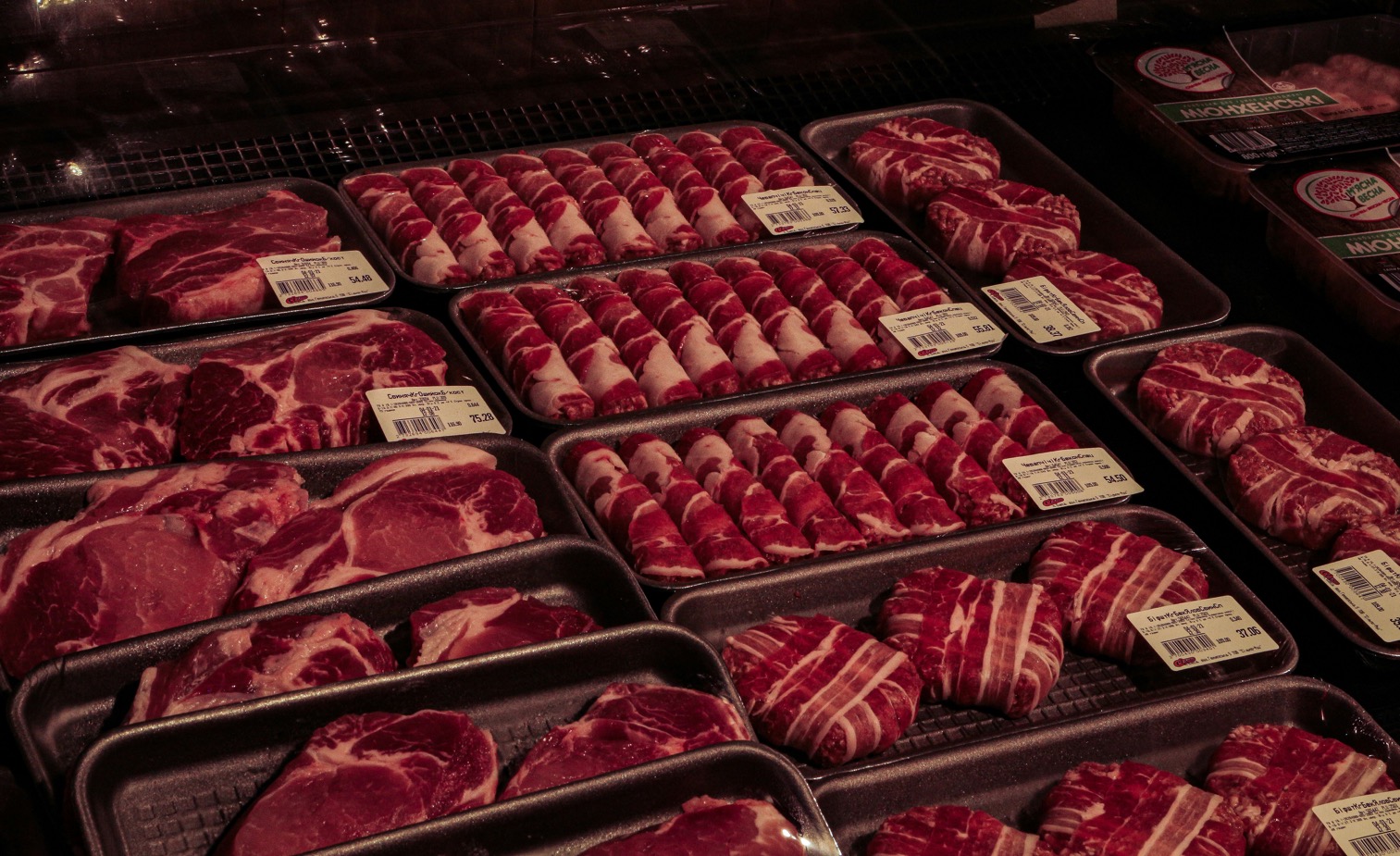
The same dynamic has been at work for years with meat. The coverage linking processed meat to cancer risk, the sustained advocacy from groups like the Food Foundation, the steady incorporation of plant-based targets into city climate strategies: each individual development has seemed manageable in isolation. Taken together, they have moved public perception to a point where a major capital city can prohibit burger advertising without any serious political backlash. The Amsterdam city council vote was 27 to 17. That is a comfortable majority.
For UK companies in these categories, there are three or so years in which the policy environment remains open rather than closed. That window should not be read as a reprieve. It is time to make arguments, to demonstrate responsible practice, to build public credibility in categories that have spent too long ceding the narrative to those who wish to restrict them. The companies that wait for legislation to arrive before thinking about what they stand for will have left it too late.
Three years is not a long time
The risk is not only regulatory. Once the advertising rights to a product category are treated as politically comparable to tobacco, the reputational position of every company in that category shifts. Sponsorships become liabilities. Partnerships attract scrutiny. Employees, particularly younger ones, ask harder questions. Sport is already inside this conversation: during the Westminster Hall debate, MPs called for fossil fuel sponsorship of sports teams and cultural institutions to be covered by any future ban. The Science Museum's relationship with energy companies has been publicly questioned. These are not fringe concerns.
The international trajectory is clear. A Dutch court confirmed in 2025 that local governments can lawfully introduce advertising restrictions even where they affect the economic interests of companies selling legal products. That legal precedent will be cited by those pushing for similar measures elsewhere.
Whether you run communications at Shell, bp or E.ON, at ABP Food Group, AHDB - Agriculture and Horticulture Development Board, 2 Sisters Food Group, Danish Crown or Cranswick Country Foods PLC, the question is the same: what is your company’s public case for the category it operates in? Wael Sawan, Meg O'Neill, Will Jackson, Mike Sauerberg and their peers should be spending the next three years making that argument, not waiting to see whether the argument reaches them. History in this area does not run in the direction of industries that stay quiet.
If you work in meat production, food retail, or an associated supply chain and you are starting to feel the pressure described in this piece, we would like to talk. Get in touch at info@wearespqr.com