Who is writing your first impression?
AI now writes the first impression of your organisation, and it draws on almost everyone's words except yours
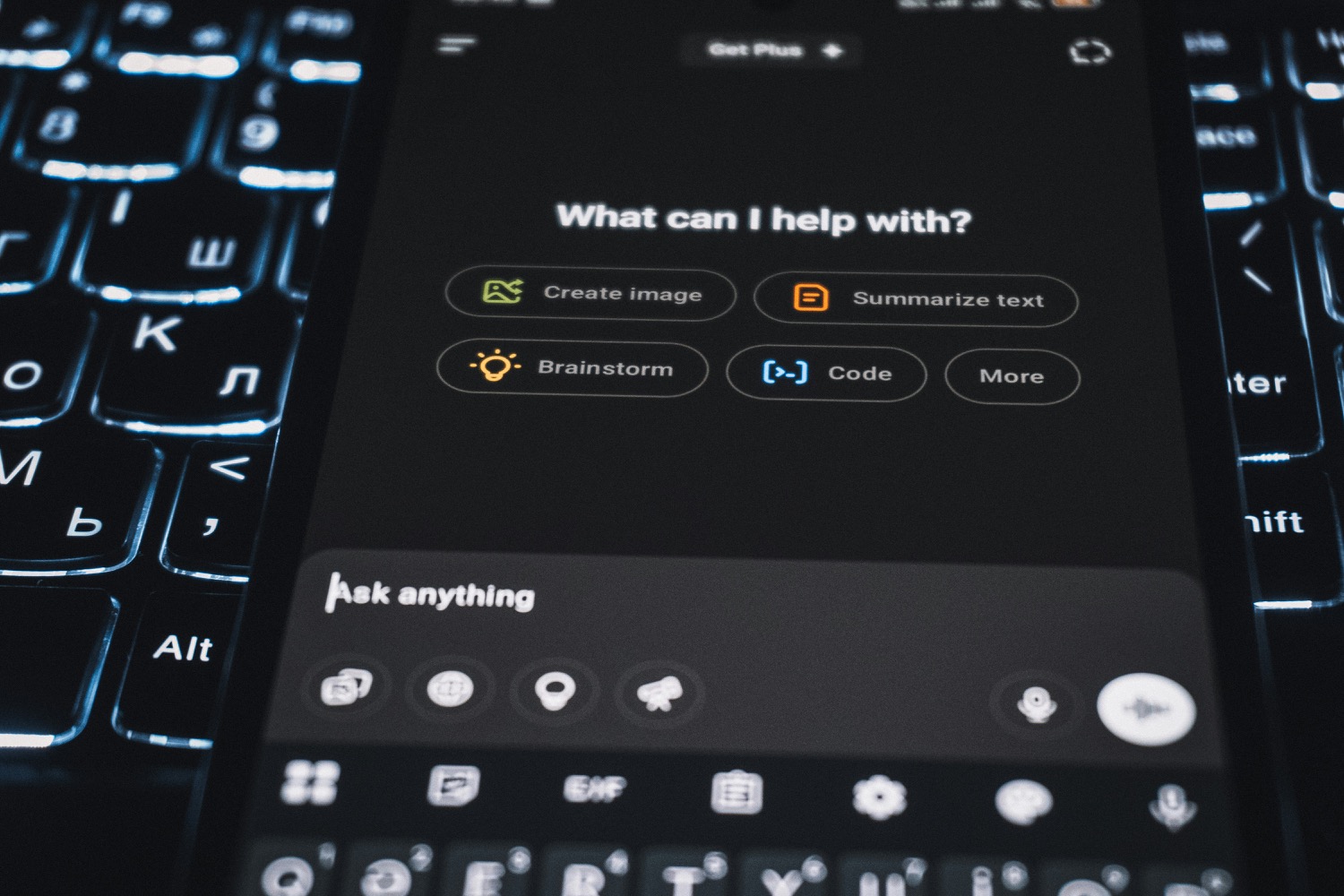
Ask an AI assistant whether a wealth manager's advice is worth the fee, whether a new nuclear plant can be built on budget, or which suppliers lead on health ingredients. One confident paragraph comes back, and most people won’t check it. It is read before the website and the annual report, often instead of them, and it is written without the organisation in the room.
Search used to show its working
A page of links told a reader who was speaking, whether a campaign group, a newspaper or the company itself, and the reader weighed the source before the claim. An AI answer removes the byline. A regulator's finding, a campaigner's accusation and a line from a sustainability report arrive merged into one paragraph in one even tone, so every part borrows the same authority.
Research on AI search estimates that brands' organic search traffic will halve by 2028, with generative AI adopted faster than the early internet.
Since September 2026, Apple's Siri AI beta has drawn on the web for answers, a shift foreshadowed in May 2025, when Apple executive Eddy Cue testified that Safari searches had fallen for the first time and that Apple was weighing AI search for their browser.
Pew Research found Google users clicked a traditional result in 8 per cent of visits with an AI summary, against 15 per cent without. For one client, monthly visits from AI assistants fell by around two thirds between the first five months of this year and the four that followed, while the visitors who did arrive stayed four times longer.
The record is mostly written by others
We track thousands of AI answers every week across ChatGPT, Claude, Gemini, Perplexity and Google's AI Overviews, in markets from the UK to India. In food and agriculture, the sources cited most are research and health institutions, government bodies, certification schemes and NGOs. Company websites sit further down. On UK news questions, think tank IPPR found one news brand supplies 34 per cent of journalistic citations per AI platform on average.
Most of what an AI system cites when it forms a view of an industry is coverage the company did not write. An organisation with no earned presence in the conversation is not merely under-represented. It is, for the purposes of an AI answer, largely invisible.
Two gaps, and the second decides reputations
The first is presence. A specialty ingredient supplier appeared in 81 per cent of answers on corporate supply and 38 per cent on ingredient choice, yet none on consumer health, where a competitor using a different source ingredient held 42 per cent of the conversation. Procurement knew the company well, but the people whose health claims drive demand had never heard of it. Branded questions test what people believe about you. Unbranded ones decide whether you are considered at all.
The second is belief: what the answer leads people to think once you are in it. Models learn from what has been written, and in contested industries most of it was written during the controversy rather than after the reform. A company that changed its practices years ago can still be described through the campaigns that forced the change, so the answer is accurate about the past and wrong about the present. A news cycle moves on in days. A model's picture of a company can hold for years.
What the models choose to cite
The record can be added to. For one client we built an information hub on a contested food commodity, structured as plain question-and-answer pages carrying evidence of their own. Over two months in India, AI answers cited it more than 590 times on the questions we track, more often than the BBC, the Guardian, NDTV, Mayo Clinic or Cleveland Clinic. A site that began publishing less than two years ago out-cited names with decades of authority.
Why this belongs to communications
Much of the market treats AI visibility as SEO's next chapter. Search optimisation chases the terms with the most volume, while reputation turns on the questions with the most consequence: is this company honest about its supply chain, is this ingredient safe, does this rebrand mean anything. Investors, regulators and parents ask them, and they rarely look like keywords. Answering them means putting evidence in front of the sources the models read. Shaping the public record has always been the work of communications.
How we adapted
As people’s methods of finding information changed, we changed how we work. Every SPQR engagement starts with PRISM, our belief gap diagnostic, which maps what audiences believe across media, social, search, polling and AI answers. It treats AI assistants as a stakeholder with views we can track, test and change.
We score more than presence, checking whether the claims a client needs to be believed appear in the answer and which sources the models lean on to reach it. For one sustainability report we set a 100-prompt baseline across five markets before launch, so the question afterwards is: did the report change what the machines say?
Someone is asking an AI assistant about your company, your category or your cause today.
To find out what it says, and whose words it is made of, talk to us about a PRISM diagnostic. Get in touch at info@wearespqr.com